Signal & Response: Music that connects. Artists who keep the conversation going.
A band name can become a promise. Major Moment chose one that asks people to recognize the points when a life changes direction.
When Music Scene Media asked about the name in January 2026, the band did not identify one private event as the answer. Major Moment described the idea as universal. A major moment means something different to each person, while some turning points become part of a shared history.
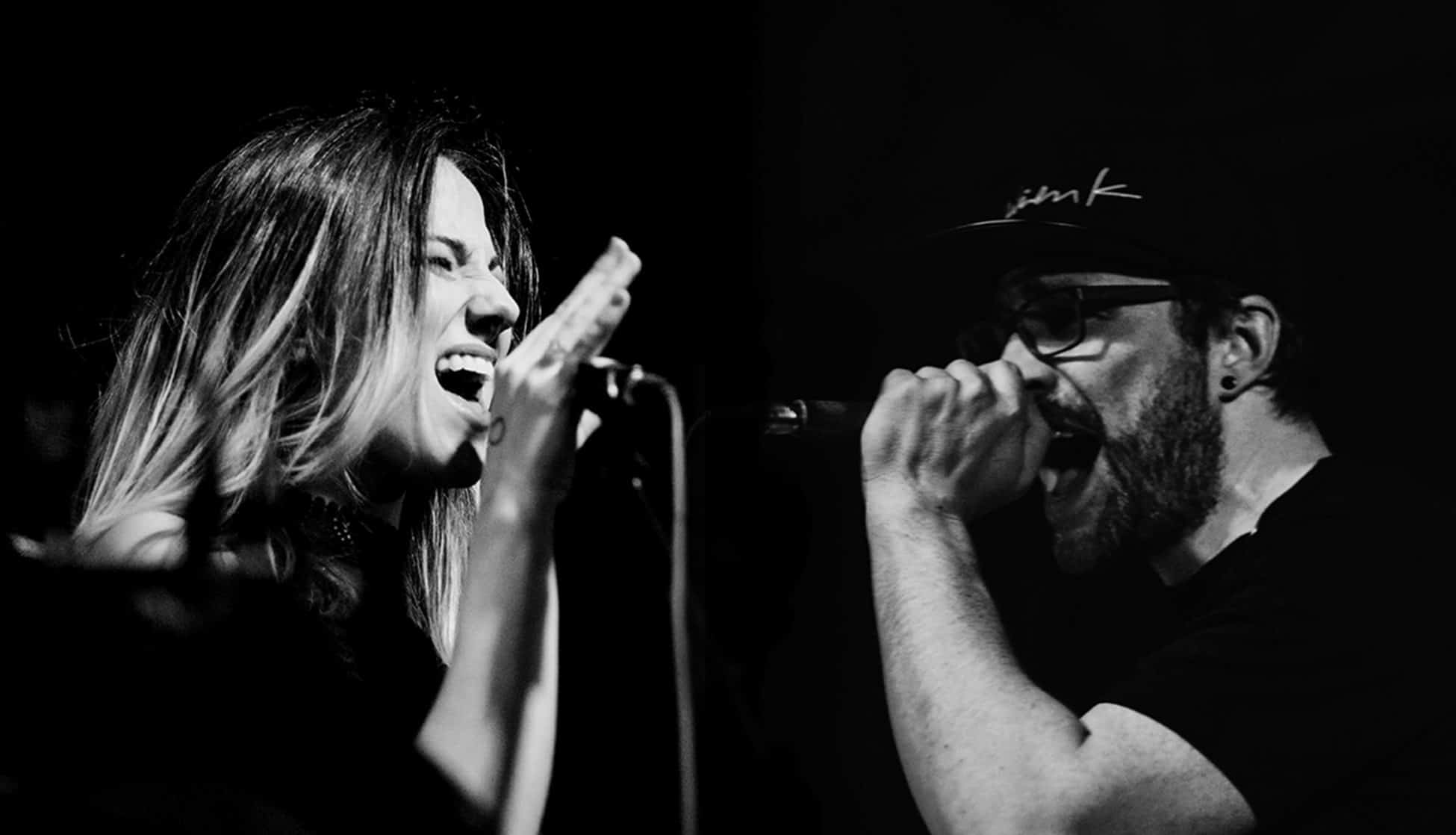
The band’s own history gives that idea weight. Its public lineups have changed repeatedly. People joined, people left, and the practical structure around the music kept shifting. Andrey Borzykin and Sasha Razumova remained the creative thread running through those versions.
For Major Moment, the useful question is plural: Which moments revealed what the band needed to keep?
The moment you choose the work
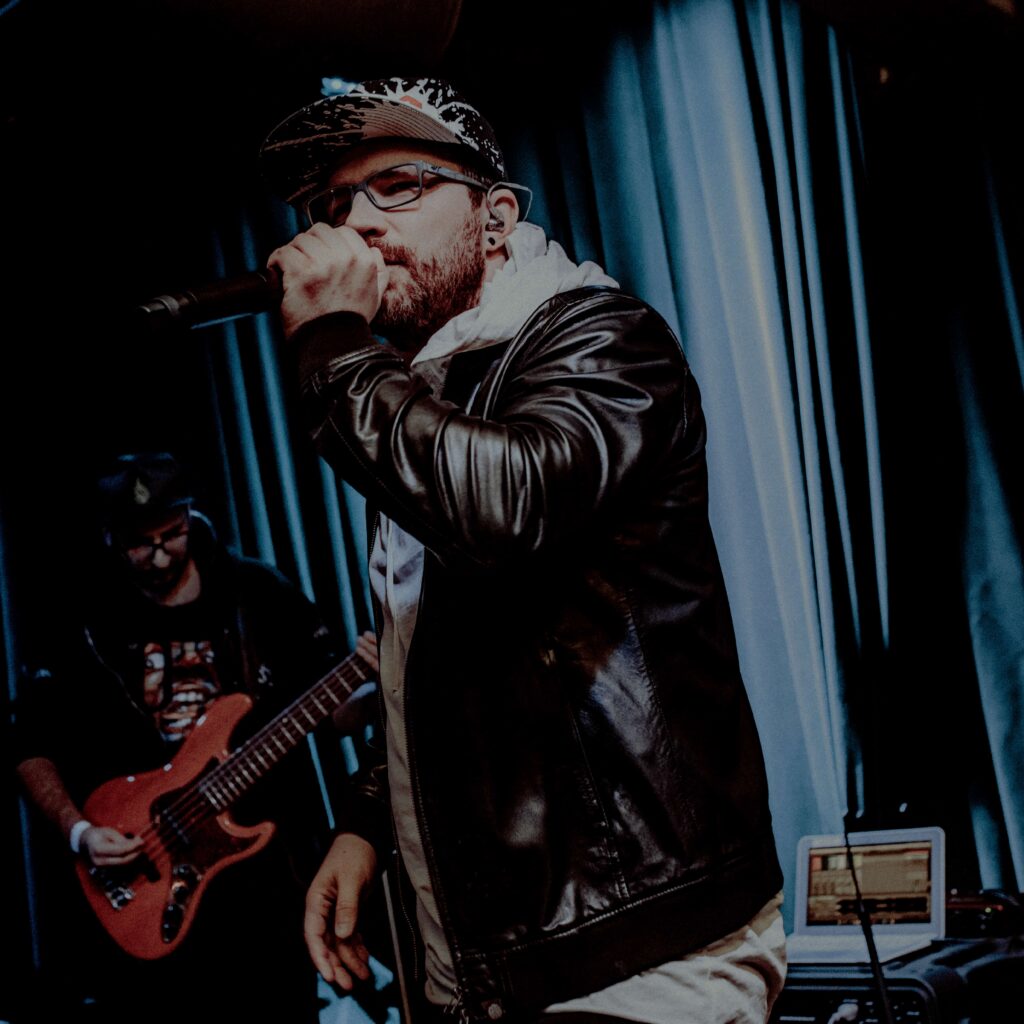
Andrey’s route to Major Moment began long before its first release. In a 2018 BostonVoyager interview, he described leaving law school in Russia, moving to the United States, building businesses, and eventually giving up financial security to pursue the childhood goal of making music. At that point, Major Moment’s debut EP, one small stEP, represented his greatest achievement.
Another decision followed loss. In a 2020 interview with The Musical Hype, the band said Chester Bennington’s death pushed Andrey and Sasha to stop treating time as guaranteed. Andrey wrote Before It’s Too Late, which became the first Major Moment single. Their admiration for Linkin Park was musical, but the deeper influence was urgency: do the meaningful work while there is still time.
Sasha’s place in the band also began with a moment that could have remained temporary. The band has explained that she came to an early show as a guest backing vocalist after other members struggled with the harmonies. By the next rehearsal, she was part of Major Moment. Years later, the January 2026 interview described a creative partnership in which neither vocalist claims a song by default. They test what the material needs and decide who should carry each part.
That relationship is one of the clearest answers to what endured. Major Moment has never depended on a single fixed arrangement of instruments or personnel. It has depended on two people continuing to recognize the same project in the work.
The moment the lineup changed the meaning
Public snapshots show how often the visible band changed. A 2019 Kill The Music interview named a five-person lineup. The Musical Hype documented another five-person lineup in March 2020, with three different musicians beside Andrey and Sasha. An October 2020 GigRadar feature presented a four-person band. A June 2025 interview documented another four-person configuration.
Those records are historical snapshots rather than a dependable current roster. They establish something more useful for this story: Major Moment learned early that the name could not mean one permanent list of people.
The band confronted that fact in a particularly severe way. In a 2020 account of The Flood, Andrey said four members had left on the same day. He and Sasha responded by returning to their home studio and writing. The song began with feelings of betrayal and abandonment, then widened into a statement about collective indifference and the damage people leave behind.
That episode became both rupture and method. When the group later spoke with GigRadar, it compared Major Moment’s structure to the model associated with Nine Inch Nails. The lineup could move while the sound, identity, and vision remained recognizable.
That comparison does not erase what former members contributed. Different guitarists, drummers, bassists, and collaborators helped shape different periods. It explains why Major Moment began treating continuity as a creative standard rather than a head count.
What stayed in the music
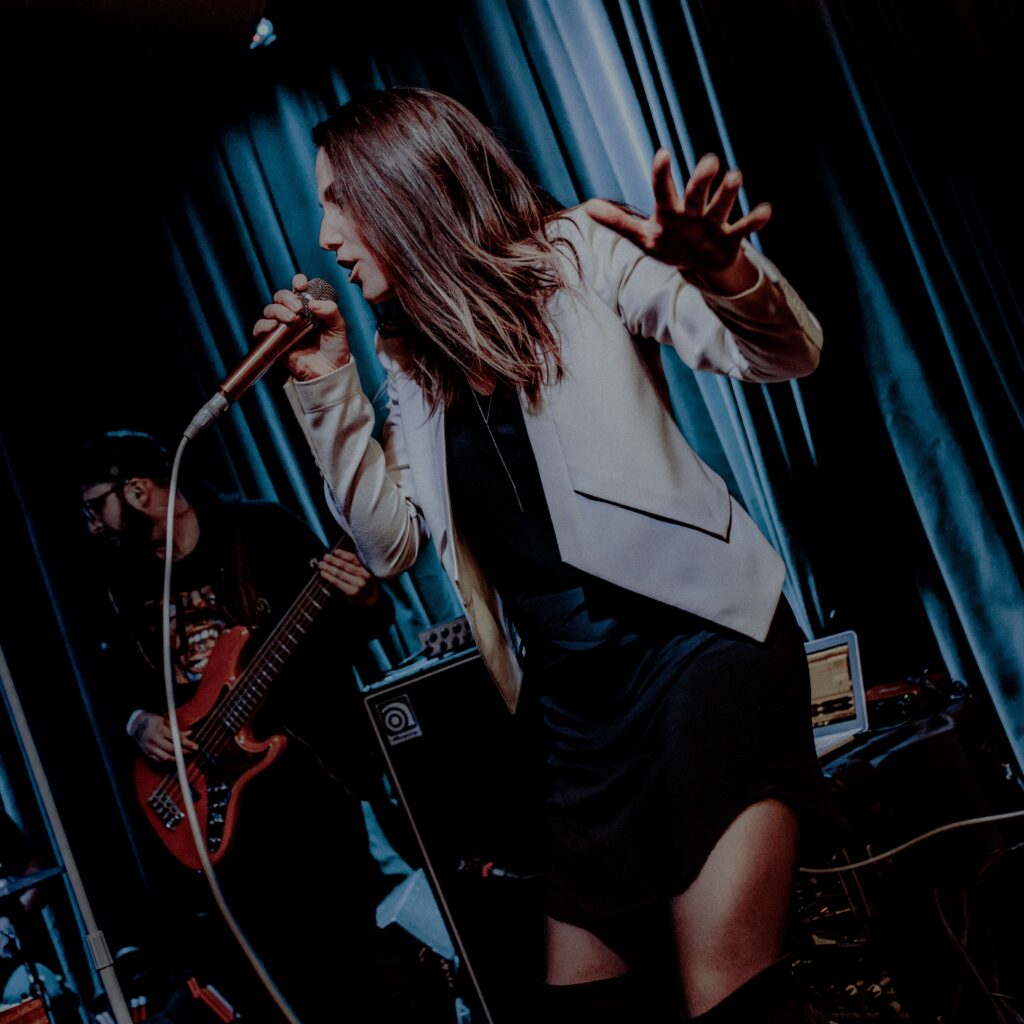
The current official biography describes a cinematic pop-metal sound built from heavy guitars, modern production, melodic writing, and the contrast between male and female clean and extreme vocals. Those elements have been present in different proportions across the catalog.
The January 2026 Music Scene Media interview gives production a central role in that continuity. Major Moment said songs often begin with a synth, a beat, a melody, or a chord progression. Those sounds create the emotion that guides the lyrics. The band summed up its priorities in three words: “Melody is king.” Production follows closely behind, adding enough detail for another listen to reveal something new.
That helps explain why the music can feel both direct and densely constructed. The vocal relationship supplies a human center, while electronic layers and hard rhythmic changes can make the space around the voices feel unstable. The contrast is part of the identity.
I heard that clearly in Not That Broken, the Major Moment track I selected for the Signal & Response playlist. I wrote down “high-energy industrial” and “machine-like voice effects at times.” A vocal edges toward a scream without fully crossing into one. The production may be part of what creates that impression, but the effect is difficult to separate from the physical force of the performance.
That song is one present-day example rather than the subject of this feature. Across changing lineups, Major Moment kept returning to melody, layered production, and vocal contrast. That balance gave new collaborators room to contribute without making the project sound anonymous.
The moment seven years became an album
Major Moment released its first full-length album, The Pain That Makes Us Grow, in June 2025, seven years after the debut EP. In the 2026 Music Scene Media interview, the band described the fourteen-song record as a milestone that finally brought some ideas dating back to 2007 and 2008 into finished form.
The title fits more than the material. Seven years of EPs, singles, lineup changes, recording decisions, and interrupted plans had become one album. The band said the biggest artistic change was greater intention and courage: becoming more open to new ideas while learning to reject choices that no longer matched the vision.
Live work expanded at the same time. Major Moment has performed at Blue Ridge Rock Festival and Louder Than Life, opened for established touring acts, and built longer runs of its own. The band identified meeting listeners face to face on its first sustained tour in 2025 as one of the strongest moments of its career.
Touring also exposes the limits of independence. Travel costs money. Routes are difficult to build. Every hour onstage rests on many unseen hours of planning, promotion, driving, packing, and recovery.
The band’s next album, In Love & War, makes that pressure visible. On the official album page, Andrey and Sasha describe a record shaped by greater experimentation alongside financial setbacks, production delays, more lineup changes, day jobs, and a growing live schedule. They also describe Major Moment as fully independent, self-managed, and self-funded.
The phrase In Love & War therefore reaches beyond a group of songs. Love names the reason to keep creating. War names the daily contest over money, time, confidence, and energy required to continue.
The moment listeners entered the room
Signal & Response looks for more than active social accounts. It looks for evidence that listeners can reach an artist and receive something human in return.
Major Moment’s public exchanges provide that evidence. In an August 2026 Patreon question-and-answer thread, one listener asked about touring and rest. The band answered by explaining why the exhaustion still feels worthwhile when it leads to meeting people face to face. A second listener asked which songs had created a difficult standard for future work. Major Moment discussed The Flood, Toxic, and Promises, then explained how working with producer Dave Cowell changed that internal benchmark.
These were specific answers to specific people. They also reveal something about the band’s relationship with its own history. Older songs remain active reference points. A collaborator can raise the standard. A listener’s question can become an opportunity to explain how the work changed.
That relationship continues through public updates, production breakdowns, direct support, shows, and the less glamorous details of sustaining the project. Major Moment does not present independence as effortless. It lets listeners see some of the work holding the visible moments together.
When was the moment major for Major Moment?
The answer may be the day Andrey chose music over security. It may be the loss that led to Before It’s Too Late, or the show that turned Sasha from a guest into the other voice at the center of the band. It may be the day four people left, when stopping would have been understandable and writing became the response. It may be the first full-length album, the first sustained tour, or a conversation with a listener in a room far from Boston.
Each possibility points to the same pattern. Major Moment kept changing because Andrey and Sasha kept deciding what the name meant. The lineup could expand or contract. The music could become heavier, more electronic, or more polished. The stable element was the decision to keep building toward a recognizable vision.
That is why Major Moment belongs in Signal & Response. The signal is the music, built from melody, vocal contrast, and layers designed to reward another listen. The response appears in the band’s willingness to explain the work, answer listeners, and let those listeners see what remaining independent actually demands.
Not That Broken is on the public Signal & Response Spotify playlist. The placement and this feature remain separate editorial decisions. Here, the song serves as one more moment in a longer history of choosing what Major Moment will carry forward.
Listen and follow
- Visit Major Moment’s official website
- Explore Major Moment’s official music page
- Listen to *Not That Broken* on Spotify
- Read about *In Love & War*
- Follow Major Moment on Facebook
- Visit Major Moment’s public Patreon
- Listen to the Signal & Response playlist