
Direct artist support
Folk – The Story Teller
I just love folk. I think a lot of it comes from that singer-songwriter tradition, where the song can be so closely connected to the person who wrote it. There is something about hearing someone tell a story through a song that has always worked for me.
Monthly discoveries
Listen to this collection
Bandcamp will load only after you choose to play. Audio never starts automatically.
giddy: salt
giddy: salt
‘salt’ deserves attention for the emotional honesty of its writing. giddy captures the strain of making room for someone else’s feelings while your own go unanswered. The lyric’s tenderness gives its anger weight: this person still feels like home, even when being close to them hurts.
What makes that tension compelling is the absence of an easy dividing line between love and resentment. Understanding someone doesn’t stop their actions from hurting you. Sometimes it makes the hurt harder to explain, because you can see their reasons while still needing them to recognize what they’re doing to you.
The song leaves room for those conflicting feelings without treating them as a contradiction to resolve. You can care deeply and feel worn down. You can want closeness and need something to change. That is where ‘salt’ finds its emotional pull: in the distance between understanding another person and feeling understood yourself.
Lou Fin: The Dawn
Lou Fin's "The Dawn" is worth hearing for the way it turns two quiet parts of the day into two different emotional spaces. Dawn gives the narrator time to think before everyone wakes, with the fields glowing orange and the world taking a deep breath. Dusk follows the same path into nature, but the moon brings a sadder story. She remembers the sun as a lover from another life and carries that loss into the night.
The repeated walk into the fields and forest connects both halves. At first, being alone feels restful. Later, the same solitude holds loneliness and longing. That change gives the simple refrain more weight each time it returns.
Strummed guitar supports the lead vocal, while a background vocal follows a tune that sounds similar to strings. Together, they give the song a modest folk-acoustic setting for its imagery and story. Listen for the move from the calm of first light to the ache of moonlight. The path never changes, but what it carries does.
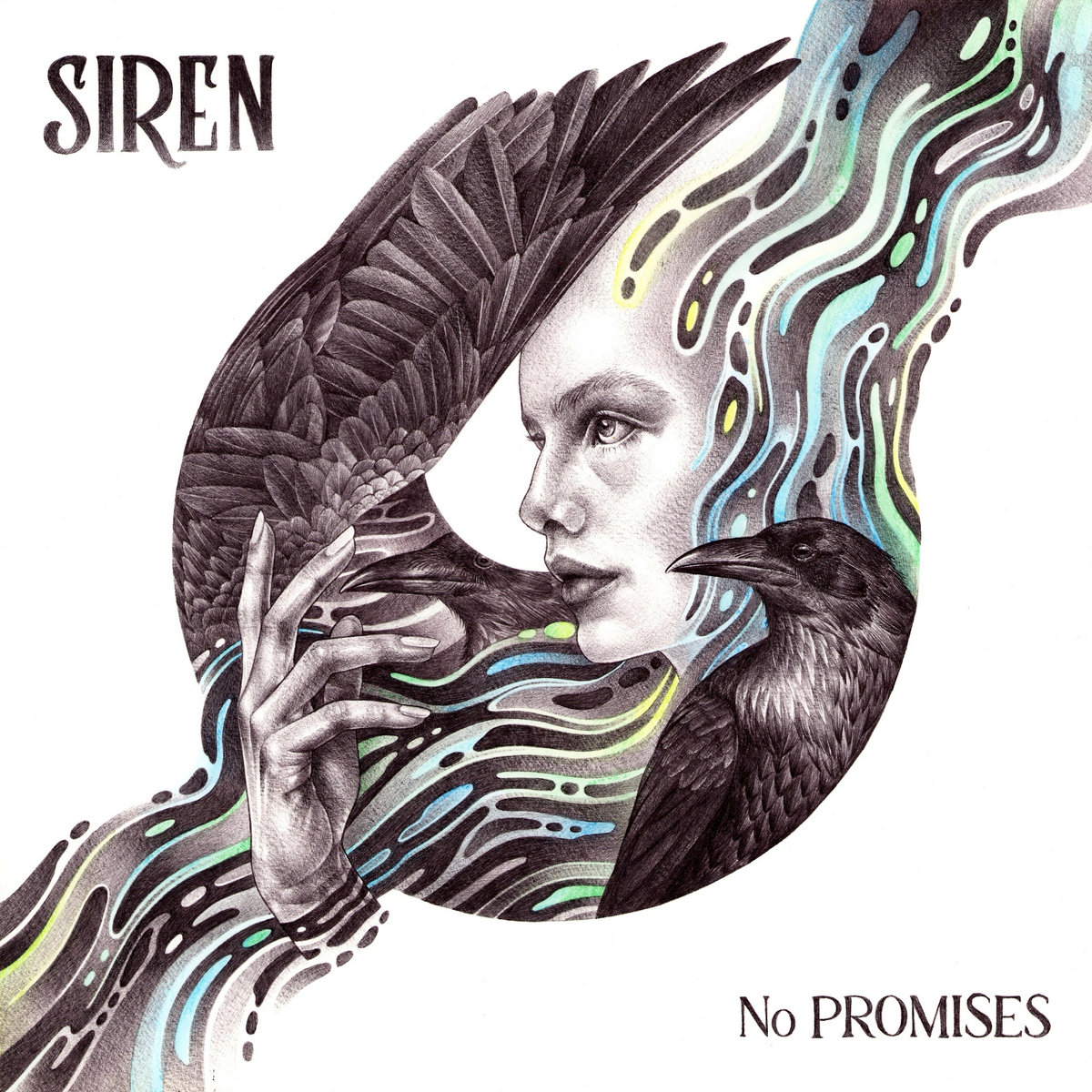
No PROMISES: Siren
No PROMISES do not rush the danger on “Siren.” Electric guitar sets out a dark, measured figure before the rhythm section settles underneath it. The lead vocal keeps the moonlit dancer in focus while the band leaves enough room around the words for her to feel both close and out of reach.
The chorus is where the trap closes. Harmony vocals widen “Set me free,” the drums press harder, and the guitar answers with short lines around the vocal. “Now you’ll never leave” turns attraction into confinement without changing the song’s steady pace.
After the second chorus, the guitar gets more room and carries the tension forward instead of breaking the mood. The arrangement then returns to the refrain, which suits a lyric built on temptation repeating until it becomes fate. The structure is familiar, but the restraint keeps the song from pushing too hard at its own darkness.
“Siren” works because the music and lyric move toward the same warning. It should suit listeners who like country rock with a strong melodic center, clear storytelling, and enough shadow around the edges.
From SIREN, track released July 24, 2026.